
Intravitreal Eye Injections in Sarasota, FL
These quick, gentle treatments can help preserve and even improve your vision.
Intravitreal injections deliver medication directly where it’s needed to treat conditions like macular degeneration, diabetic retinopathy, and retinal vein occlusion. Most patients find the procedure fast and comfortable with numbing drops.
If you receive retina care in Sarasota, Bradenton, Lakewood Ranch, or Venice, we offer consultations to determine the right injection plan for you.
Eye Injections and Preventing AMD-related Blindness
An eye injection is done using an ultra-thin needle to deliver medication right to the back of the eye. Eye injections aren’t painful, however, you might feel a little pressure.
At the rear of the eye and the center of the retina lies the macula—the part of the eye that does the high-quality seeing. Most problems of the retina, including age-related macular degeneration (AMD), originate here. Without intravitreal injections, more than 1 million people in the US would lose their central vision—this is the number of people currently living with wet AMD.
What Happens During An Eye Injection?
A retinal ophthalmologist is a specialist qualified to do eye injections. While preparing for the procedure takes a couple of minutes, the actual injection lasts only seconds.
You will lie face up in a comfortable position in a reclining chair. The retina specialist will apply drops in your eyes for numbing. They’ll clean your eyes and eyelids using an antiseptic to reduce the risk of bacterial contamination during the procedure.
After the cleaning, the eye doctor applies an additional anesthetic to your eye using a cotton tip. These numbing eye drops reduce sensation on the eyeball to nearly zero.
The retina specialist then uses a small clip called a speculum to keep your eyelids open during the technique. The specialist will instruct you to look away so he/she can deliver the shot through the white part of your eye.
After the shot, your eye specialist removes the speculum and cleans your eye once again to minimize discomfort. He will further check the eye to ensure there are no complications.
What Are Intravitreal Injections Used For?
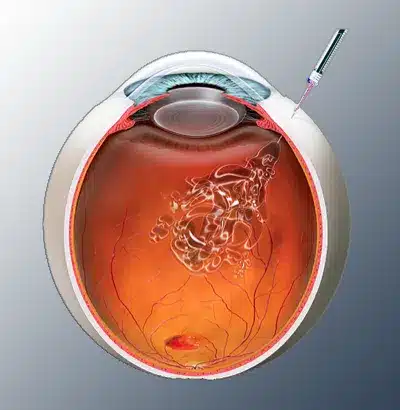
The most common category of medication delivered through the injection is called anti-VEGF. It works for almost all the conditions that cause swelling or bleeding in the retina. The medication stops the growth of abnormal blood vessels, bleeding, and fluid leakage under the retina. A new class of injectable drugs has just gained FDA approval for dry macular degeneration. These medications block a type of immune response in the eye, slowing the formation of blind spots in the central vision. Depending on your eye condition, eye injections might also contain steroid, antibiotic, antifungal, or antiviral drugs.
Eye injections have dependable results in the treatment of many retinal conditions.
Eye Injection Specialist and founder of Shane Retina
How Frequently Should You Have Eye Injections?
Once a retina specialist establishes that you have a condition that would benefit from eye injections, they’ll design a treatment schedule for you.
The frequency of the eye injections depends on the condition, the severity of retinal swelling, and the potency of the medication used. Some can be repeated every 3 months while the most common ones must be administered every 4-6 weeks to maximize the efficiency of the therapy.
In some cases, patients have recovered significant vision as the bleeding stops and retinal swelling improves. Patients with diabetes may need more intermittent shots than other groups of people. The ophthalmologist carefully assesses your condition before deciding that an eye injection is the best approach.
Can Eye Injections Cure Age-Related Macular Degeneration (AMD)?
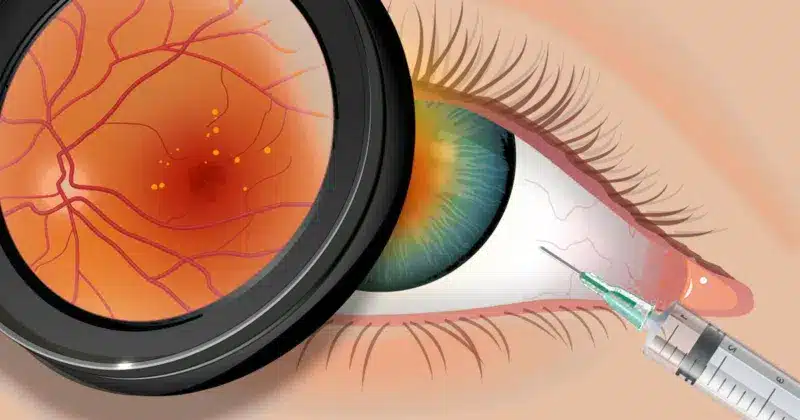
The other type is wet AMD, for which eye injections can also help stop the condition and save vision. Wet AMD is treatable because of its nature—it causes abnormal blood vessels to grow under the retina. They start to leak fluid and blood into the macula. Anti-VEGF medication can stop this.
VEGF is short for vascular endothelial growth factor—this is a protein signal that helps the body to grow new blood vessels when you need them. But when you have AMD, the new blood vessels often tend to be weak and spring up in places that interfere with the eye’s visual acuity. Ant-VEGF medication is delivered via injection to the back of the eye to stop the growth of these troublesome and abnormal blood vessels. As a result, there is less swelling and inflammatory damage to the macula.
How Do Eye Injections Work?
If you are getting the injection for Dry AMD, the shot will contain a complement inhibitor. Currently, the only FDA-approved medication of this kind is pegcetacoplan (Syfovre). Other complement inhibitor medication is expected to gain FDA-approval soon.
Eye injections take some getting used to. It may be scary at first, but the therapy is fast and void of pain. The ophthalmologist does it with great care to keep it minimally invasive.
If you are getting the injection for wet AMD, the shot will contain one of the five anti-VEGF medications:
- Ranibizumab (Lucentis)
- Brolucizumab (Beovu)
- Bevacizumab (Avastin)
- Aflibercept (Eylea)
- Faricimb (Vabysmo)
These meds are all useful in stopping the growth of abnormal blood vessels in the eye. However, they have varying degrees of potency and side effects. The retinal ophthalmologist will consider your medical history before choosing the best option for you.
What Are The Side Effects Of Eye Injections?
Eye injections, like most other medical treatments, can be accompanied by side effects. They are all treatable, temporary, and rarely severe. The common ones include:
- Red eyes
- Uncomfortable or itchy eyes
- Mild blurring of vision
Less commonly, an eye injection can result in an infection. Patients with an infection experience:
- Eye pain
- Loss of vision
Call the eye doctor if you experience concerning symptoms after an eye injection. Call the ophthalmologist if you feel severe pain or sensitivity to light and you have a worsening vision.
Where to Get Intravitreal Eye Injections in Sarasota and Venice
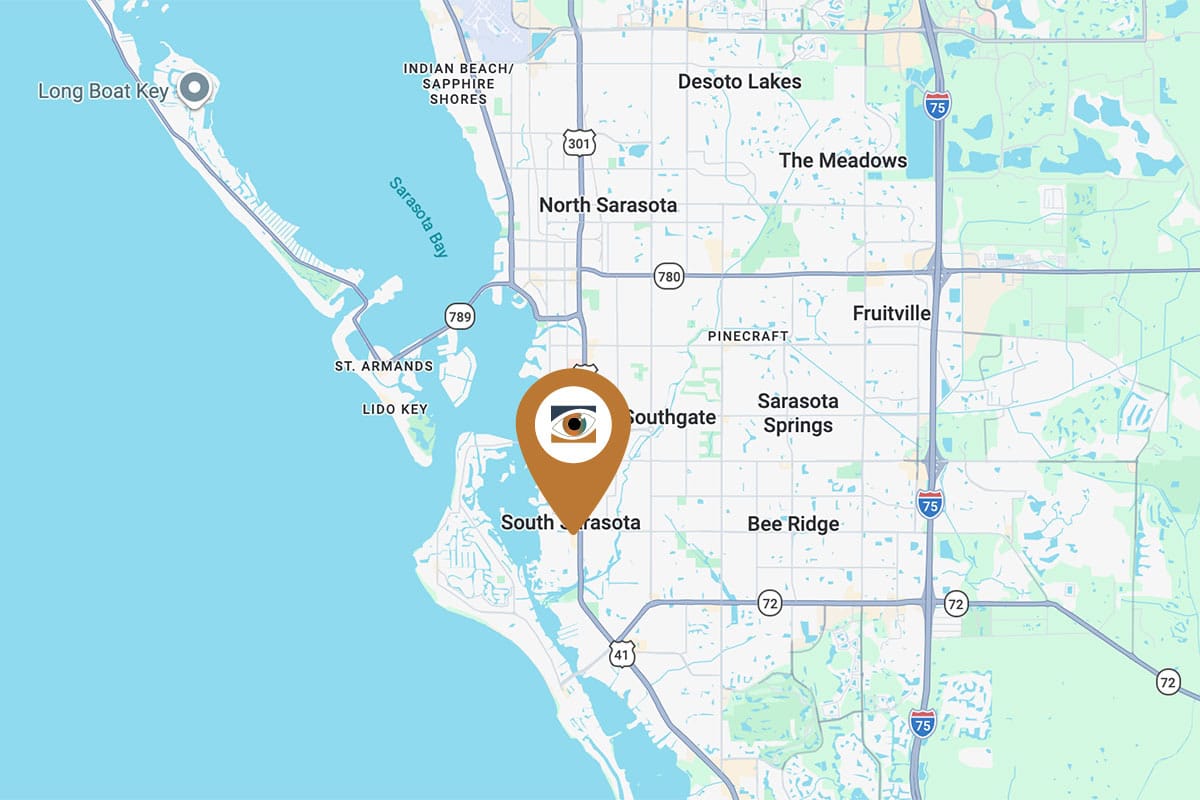
You can receive intravitreal eye injections at our Shane Retina locations throughout Sarasota and Venice, Florida. Our ophthalmologists provide ongoing injection therapy for conditions such as macular degeneration, diabetic retinopathy, and retinal vein occlusion, using proven medications to help stabilize and preserve vision.
Located just west of I-75 on University Parkway in University Health Park.
Our University Parkway location serves patients from Sarasota, Lakewood Ranch, Bradenton, and surrounding areas of Manatee County. This office provides routine intravitreal eye injections for a range of retinal conditions, with efficient visits, careful monitoring, and personalized treatment schedules.
Located on South Tamiami Trail just south of Bee Ridge Road.
Our South Tamiami Trail location serves patients throughout Sarasota, Siesta Key, and nearby Sarasota County communities. Patients at this office receive intravitreal injections as part of long-term treatment plans for retinal disease, with a focus on comfort, consistency, and visual stability.
Located in central Venice near Venetia Bay Boulevard.
Patients in Venice, North Port, Englewood, and surrounding areas of southern Sarasota County can receive intravitreal eye injections at this location. Our team provides ongoing injection therapy and follow-up care designed to protect central vision and support daily visual function.
Do Eye Injections Work?
Mr. Johnson’s case is just one among the many successful treatments that the ophthalmologists at Shane Retina have had with eye injections. Research continues to search for a way to give injections less frequently or replace them with a topical drop.
Does an Eye Injection Improve Vision?
A good number of patients treated with anti-VEGF have regained normal macular anatomy after consistent treatment. Vision improves as well. However, in patients who have already lost central vision, the medication may not bring back all the vision that was lost.
Can One Drive After An Eye Injection?
Some patients are comfortable driving after an injection, but not all of them. Keep in mind that your eyes are frequently dilated prior to an injection and that the procedure may add temporary blurriness on top of your preexisting visual limitations. The decision to drive is up to each individual in consultation with their treating ophthalmologist.
Will Insurance Pay For Eye Injections?
Almost all medical insurances cover the diagnosis and treatment of eye conditions that require eye injections, but you are still subject to their copays, deductibles, and coinsurance. Some insurances will have requirements for which drug is injected into your eye. There are funds sponsored by the drug manufacturers that may help defray some of the cost of the medication.
What Happens When You Stop Getting Eye Injections?
Eye injections are a treatment for many eye conditions including wet AMD. They are not a cure. If you stop the injections, you increase the risk of regrowth of abnormal blood vessels. Over the span of weeks to months, you may lose your central vision permanently.
Shane Retina is Florida’s leading retina specialist clinic. We provide the best macular degeneration treatment, eye injections, and other ophthalmic therapies.